

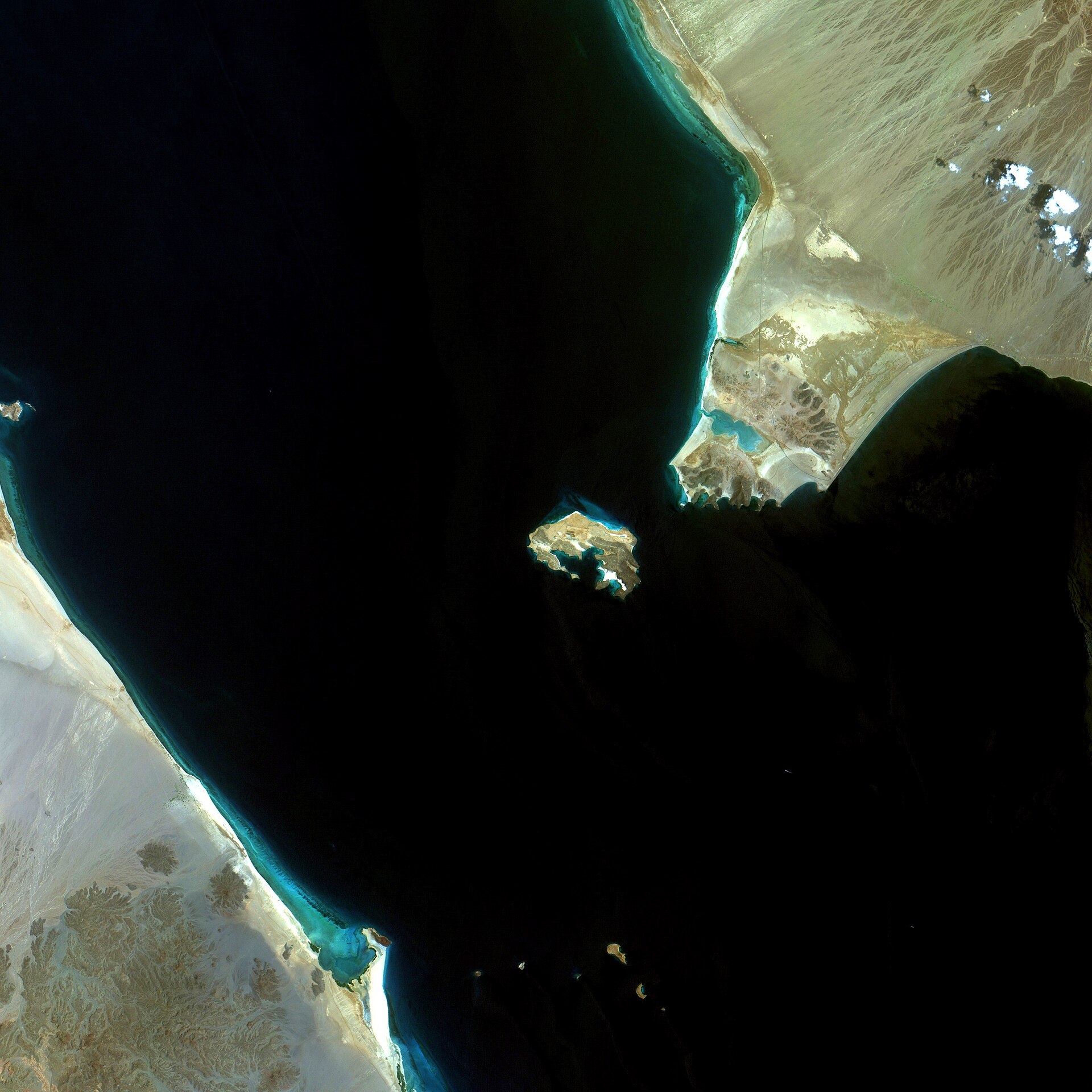
The national average for gasoline hit $4 a gallon on Monday, the highest since June 17, a few hours after Yemen's Houthi rebels declared a naval blockade against Saudi Arabia. For the first time since the current war started, Riyadh now has some form of declared interdiction on both of its maritime oil corridors at once — the Strait of Hormuz to the east, and the Bab al-Mandeb strait to the west.
What the Houthis actually declared
Houthi military spokesman Brig. Gen. Yahya Saree announced the blockade Monday in a video statement carried by Al-Masirah TV and posted to his own X account, saying the ban on Saudi-linked shipping through Bab al-Mandeb took effect the moment he finished speaking. He framed it as reciprocal — Saudi Arabia has kept an air and sea blockade on Yemen for over a decade, and the Houthis describe their response as «an eye for an eye.» Nasruddin Amer, deputy head of the Houthi media office, confirmed the closure separately on X, tying it to Saudi Arabia's decade-plus blockade of Yemen.
The immediate trigger, according to Houthi statements, was a July 13 strike on Sanaa International Airport's runway — one the Houthis attribute to Saudi Arabia, though Yemen's internationally recognized government said its own forces carried it out to block an Iranian flight carrying a Houthi delegation. But the timing suggests this wasn't improvised: Iran reportedly told the Houthis on July 16 to prepare for a Bab al-Mandeb closure, the same day the group issued notices closing four Saudi airports. Monday's announcement reads more like the last step of a signaled escalation than a snap decision.
Why oil barely moved — then moved anyway
Brent crude jumped close to 4% overnight, breaking above $90 a barrel for the first time since June 11, before easing back to settle around $89 on Monday; WTI settled near $83. Part of that move had nothing to do with Yemen: it followed confirmation that at least three US service members were killed this week in the broader fighting with Iran, and a Truth Social post from President Trump warning Tehran «will pay for that killing many times over.» Oil gave back some of the overnight spike after Iran's Foreign Ministry spokesman Esmail Baghaei confirmed that mediators' proposals had been conveyed to Tehran and were under review — the same day Pakistani and Qatari mediators reportedly floated a 10-day ceasefire.
My read: the muted same-day reaction to the blockade itself isn't a sign traders don't believe it matters. It's a sign they'd already priced most of it in. The Houthis all but announced this was coming days earlier, and a market that watched four Saudi airports close on July 16 wasn't going to be shocked by Bab al-Mandeb on the 20th.
The cushion is thinner than in past shocks
Hormuz traffic was already choked before Monday. Kpler data cited by CNBC showed daily vessel transits through the strait falling as low as eight in mid-July, down from an average in the dozens per day before the war escalated in late February, with several ships switching off their tracking transponders. Add the US Strategic Petroleum Reserve, which sat at 319.5 million barrels as of the week of July 3 — its lowest level since April 1983 — and the country has less spare capacity to lean on than it did during the earlier phases of this war.
That's a real constraint, not a reason to believe the viral «we run out of oil in X weeks» framing that's been circulating. Total US crude stocks, commercial plus strategic, are still in the hundreds of millions of barrels, and any authorized SPR releases are drawn down over months, not days — the drawdown rate is capped by pipeline and terminal capacity, not just by how many barrels are sitting in the reserve. The honest version is duller than the panic version: the margin for absorbing another supply shock is smaller than it used to be, not that the tank is about to hit empty.

What it actually changes for your invoice
Start with the obvious: $4 gas doesn't stay at the pump. Trucking, shipping, and delivery costs move with it, and those get passed through to everything that has to travel to reach you. If you invoice clients in US dollars, the more relevant number isn't the price of Brent itself — it's what happens to the dollar and to Treasury yields as this drags on, since those move your effective exchange rate and your clients' borrowing costs more directly than a barrel of oil does.
For readers following this from Argentina, where a global oil spike shows up almost immediately at the pump and in the peso, MercadoTec has been tracking the domestic side of the same story.

Know What You're Really Keeping
Oil shocks move your real exchange rate before they show up in the headlines. Plug in your rate, platform fees, and taxes to see your actual take-home.
Try the Calculator →